

Горячая линия:
1388xx888xx


Адрес:Room 615, 6th Floor, Building 1, 128 Gaotang Road, Suxi Town, Jinhua, Zhejiang, China
Телефон:1388xx888xx
Мобильные телефоны:1388xx888xx
Контактные лица:Shawn
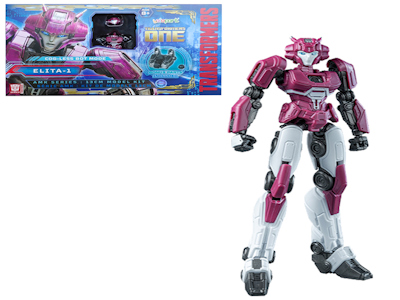
В современном мире, где технологии и цифровые развлечения доминируют в повседневной жизни, наблюдается удивительный рост интереса к традиционным хобби, таким как коллекционирование моделей подводных лодок. Это увлечение, которое когда-то считалось нишевым и доступным лишь ограниченному кругу энтузиастов, теперь привлекает людей всех возрастов и профессий. В этой статье мы подробно исследуем причины этой популярности, рассматривая исторические, психологические, культурные и социальные аспекты. Мы также обсудим, как развитие технологий и доступность информации способствуют этому тренду, и почему коллекционирование моделей подводных лодок может стать не только приятным времяпрепровождением, но и способом сохранения истории и развития личных навыков.
Коллекционирование моделей подводных лодок имеет глубокие исторические корни, которые уходят в эпоху морских исследований и военно-морских конфликтов. Первые модели подводных лодок появились еще в XIX веке, когда такие изобретения, как подводная лодка «Ханли» времен Гражданской войны в США, вызывали огромный интерес у публики. Эти ранние модели часто создавались в образовательных или пропагандистских целях, чтобы демонстрировать технологические достижения и военную мощь. В XX веке, с развитием подводного флота во время мировых войн, моделирование стало популярным среди военных историков и любителей, которые стремились воссоздать знаковые субмарины, такие как немецкие U-лодки или советские подлодки класса «Щука».
В послевоенный период коллекционирование моделей подводных лодок пережило новый виток развития благодаря появлению пластиковых моделей-конструкторов. Компании like Revell и Tamiya начали массово производить наборы, что сделало это хобби более доступным для широкой аудитории. Исторические события, такие как холодная война и гонка вооружений, также подпитывали интерес, так как подводные лодки стали символом стратегической мощи и технологической инновации. Сегодня коллекционеры часто обращаются к этому прошлому, чтобы понять эволюцию подводной техники и ее роль в мировой истории, что добавляет глубину и значимость их увлечению.
С психологической точки зрения, коллекционирование моделей подводных лодок удовлетворяет несколько фундаментальных человеческих потребностей. Во-первых, это стремление к порядку и контролю: собирая и систематизируя модели, люди создают свою собственную упорядоченную вселенную, где каждая подлодка представляет собой законченный объект с уникальной историей. Это может быть особенно привлекательно в беспокойном современном мире, где многие чувствуют потерю контроля над своей жизнью. Во-вторых, коллекционирование активирует reward system мозга – каждый новый экземпляр в коллекции приносит чувство достижения и удовлетворения, similar to completing a puzzle or achieving a goal.
Кроме того, это хобби часто связано с ностальгией и эмоциональной привязанностью. Для многих коллекционеров модели подводных лодок evoke memories of childhood, maritime adventures, or family connections to naval history. It can also serve as a form of meditation or mindfulness, as the meticulous process of building and detailing models requires concentration and patience, helping to reduce stress and anxiety. Studies in psychology have shown that hobbies involving manual dexterity and focus, like model-making, can improve mental health by providing a sense of purpose and accomplishment. Thus, the popularity of collecting submarine models is partly driven by its therapeutic benefits and the innate human desire for creativity and self-expression.
Коллекционирование моделей подводных лодок не только развлекает, но и имеет значительное культурное и образовательное значение. Эти миниатюры служат tactile representations of maritime heritage, allowing collectors to engage with history in a hands-on way. For example, a model of a World War II submarine can spark interest in historical events, leading to further research and learning about naval battles, technological advancements, and the human stories behind these vessels. Museums and educational institutions often use such models in exhibits to make history more accessible and engaging for the public, highlighting their role in preserving cultural memory.
In many cultures, submarines symbolize exploration, innovation, and national pride. In Russia, for instance, the legacy of the Soviet and Russian submarine fleets is a source of patriotic sentiment, and collecting models can be a way to honor that heritage. Similarly, in countries like the United States or Germany, submarine models reflect aspects of national identity and military history. This cultural dimension adds depth to the hobby, transforming it from a mere pastime into a means of cultural exchange and education. Collectors often participate in clubs and forums where they share knowledge, discuss historical accuracy, and collaborate on projects, fostering a sense of community and mutual learning.
Современные технологии сыграли ключевую роль в популяризации коллекционирования моделей подводных лодок. Интернет и цифровые tools have made it easier than ever to access information, purchase models, and connect with other enthusiasts. Online marketplaces like eBay or specialized websites offer a vast selection of kits, from affordable plastic models to high-end, handcrafted replicas. Social media platforms and forums allow collectors to share their work, get feedback, and learn new techniques, creating a global community that transcends geographical boundaries.
Advancements in manufacturing, such as 3D printing and laser cutting, have also democratized the hobby. Now, collectors can create custom parts or even entire models from scratch, adding a layer of personalization and innovation. Additionally, virtual reality and augmented reality applications are beginning to integrate with model collecting, allowing enthusiasts to explore digital replicas or simulate submarine operations. This technological evolution not only makes the hobby more accessible but also attracts a younger, tech-savvy audience, ensuring its continued growth and relevance in the digital age.
Коллекционирование моделей подводных лодок часто является социальным activity, fostering connections among people with shared interests. Collectors join clubs, attend conventions, and participate in online communities where they can exchange tips, showcase their collections, and collaborate on projects. These interactions build a sense of belonging and camaraderie, which is particularly valuable in an era where many people experience social isolation. For example, events like model exhibitions or historical reenactments bring together enthusiasts from diverse backgrounds, creating opportunities for networking and friendship.
Moreover, the hobby encourages intergenerational bonding. Older collectors, who may have firsthand experience with naval history, can pass down knowledge and skills to younger generations, preserving traditions and stories. Families often engage in model-building together, turning it into a collaborative and educational activity. This social dimension not only enhances the enjoyment of collecting but also contributes to its sustainability as a popular pursuit. The supportive community aspect helps newcomers overcome initial challenges, such as the steep learning curve of model-making, and inspires continued engagement.
Экономические аспекты также влияют на популярность коллекционирования моделей подводных лодок. The market for model submarines has expanded significantly, with a wide range of price points to suit different budgets. Inexpensive kits costing a few dollars make the hobby accessible to beginners, while limited edition or artisan models can fetch high prices among serious collectors, sometimes reaching thousands of dollars. This economic diversity allows people from various socioeconomic backgrounds to participate, contributing to its broad appeal.
Furthermore, collecting can be seen as an investment. Rare or well-preserved models may appreciate in value over time, especially if they are associated with historical significance or are produced by renowned manufacturers. Online auctions and collector markets facilitate this economic activity, creating a dynamic ecosystem around the hobby. However, it's important to note that for many, the primary motivation is not financial gain but personal satisfaction. The relatively low barrier to entry compared to other collectibles, such as art or vintage cars, makes it an attractive option for those seeking a rewarding and affordable pastime.
В настоящее время коллекционирование моделей подводных лодок продолжает evolve, adapting to contemporary trends. One notable trend is the increased focus on accuracy and detail. Collectors are using advanced research tools, such as historical archives and digital databases, to ensure their models are as authentic as possible. This pursuit of perfection appeals to those who value precision and craftsmanship. Additionally, there is a growing interest in eco-friendly practices, with some manufacturers producing sustainable materials or kits made from recycled plastics.
Looking to the future, the integration of technology is likely to accelerate. Augmented reality apps could allow collectors to visualize their models in realistic environments, such as virtual oceans or historical battle scenes. The rise of online communities and streaming platforms may also lead to more interactive experiences, like live model-building sessions or virtual tours of collections. As global interest in maritime history and technology persists, collecting submarine models is poised to remain a popular hobby, potentially expanding into new demographics, such as women and younger audiences who are increasingly engaging in STEM-related activities.
В заключение, коллекционирование моделей подводных лодок становится популярным увлечением due to a combination of historical depth, psychological satisfaction, cultural significance, technological advancements, social connectivity, and economic accessibility. It offers a unique blend of education, creativity, and community, making it more than just a hobby—it's a way to connect with the past, express individuality, and build meaningful relationships. As society continues to seek balance between digital and tangible experiences, this timeless pursuit is likely to thrive, inspiring new generations to dive into the fascinating world of submarine models. Whether you're a seasoned collector or a curious newcomer, there's never been a better time to explore this captivating passion.
 1388xx888xx