

Горячая линия:
1388xx888xx

Адрес:Room 615, 6th Floor, Building 1, 128 Gaotang Road, Suxi Town, Jinhua, Zhejiang, China
Телефон:1388xx888xx
Мобильные телефоны:1388xx888xx
Контактные лица:Shawn
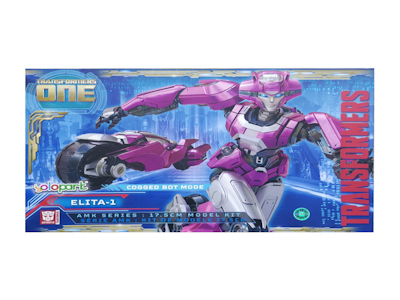
Введение в мир миниатюрных моделей – это путешествие в удивительную вселенную, где искусство, история и страсть сливаются воедино. Коллекционирование моделей, будь то автомобили, самолеты, корабли или исторические фигуры, предлагает уникальный способ наслаждаться красотой деталей и погружаться в прошлое. Это хобби не только развлекает, но и обогащает знаниями, развивает терпение и творческие навыки. В этой статье мы глубоко исследуем, почему коллекционирование моделей стало таким популярным, как начать свою коллекцию, и какие преимущества оно приносит в повседневную жизнь. От исторического контекста до современных тенденций – мы охватим все аспекты, чтобы вдохновить вас присоединиться к этому увлекательному сообществу.
Коллекционирование моделей имеет богатую историю, уходящую корнями в древние времена. Еще в Древнем Египте и Греции люди создавали миниатюрные копии объектов для религиозных церемоний или как украшения. В средние века модели использовались для образовательных целей, например, в архитектуре и инженерии. Однако настоящий расцвет хобби начался в XIX веке с промышленной революцией, когда массовое производство сделало модели доступными для широкой публики. Первые коммерческие модели, такие как оловянные солдатики или миниатюрные поезда, стали символами статуса и увлечения. В XX веке, с развитием пластмасс и литьевых технологий, производство моделей стало более sophisticated, позволив создавать highly detailed replicas. Сегодня, с advent of 3D printing and digital design, коллекционирование моделей evolved into a global phenomenon, with enthusiasts from all walks of life sharing their passion online and at conventions.
Исторически, модели often served as tools for education and planning. For instance, naval architects used scale models to test ship designs before construction. Similarly, in the automotive industry, prototype models helped visualize new car concepts. This practical aspect gradually transitioned into a leisure activity, as people began to appreciate models for their aesthetic and nostalgic value. The post-World War II era saw a surge in model kits, particularly of military vehicles and aircraft, reflecting societal interests. Brands like Revell, Tamiya, and Airfix became household names, offering kits that allowed builders to assemble and paint their own models. This hands-on approach added a layer of creativity and personalization, making the hobby even more engaging.
Over the decades, the themes of model collecting have diversified. From historical battles and famous landmarks to pop culture icons like Star Wars or superheroes, there is a model for every interest. The internet has further accelerated this diversity, enabling collectors to connect, trade, and showcase their collections globally. Online forums, social media groups, and websites dedicated to model building provide a wealth of resources, from tutorials to reviews of new products. This sense of community is a key driver of the hobby's enduring appeal.
Looking back, the evolution of model collecting mirrors broader cultural and technological shifts. It has grown from a niche pastime to a respected form of art and craftsmanship. As we move forward, innovations like augmented reality and interactive models promise to keep the hobby fresh and exciting for future generations.
Мир коллекционирования моделей incredibly diverse, catering to a wide range of interests and preferences. Here, we explore the main categories that enthusiasts often pursue.
Автомобильные модели are among the most popular types, appealing to car enthusiasts and history buffs alike. They range from vintage classics like the Ford Model T to modern supercars like the Ferrari LaFerrari. Scales vary, with 1:18, 1:24, and 1:43 being common, offering different levels of detail. Die-cast models, made from metal and plastic, are prized for their durability and realism. Brands like Maisto, Bburago, and Autoart produce high-quality replicas that capture every curve and detail of the original vehicles. For those who enjoy building, plastic model kits allow for customization through painting and assembly. Automotive models not only celebrate engineering marvels but also serve as historical artifacts, preserving the evolution of transportation.
Авиационные модели attract aviation enthusiasts and historians. From World War II fighters like the Spitfire to commercial jets like the Boeing 747, these models showcase the beauty of flight. Scales such as 1:72 and 1:144 are standard, with details including cockpit interiors, landing gear, and decals. Building aircraft models can be a challenging yet rewarding experience, requiring precision and patience. Brands like Academy, Hasegawa, and Italeri offer kits that cater to all skill levels. Additionally, display models made of resin or die-cast provide ready-made options for those who prefer not to build. Aviation models often commemorate significant events, such as space missions or military campaigns, adding educational value to the hobby.
Морские модели, including ships and submarines, appeal to nautical enthusiasts. Historic vessels like the Titanic or battleships like the USS Missouri are popular subjects. These models can be highly detailed, with rigging, decks, and even interior compartments. Scales like 1:350 or 1:700 are common, allowing for impressive displays. Building ship models is often considered an advanced hobby due to the intricate parts involved. Brands such as Revell and Trumpeter provide kits that challenge builders to recreate maritime history. For collectors, pre-built models offer a way to enjoy these beauties without the construction process. Marine models not only highlight naval engineering but also tell stories of exploration and conflict on the high seas.
Военные модели encompass tanks, soldiers, and dioramas that depict historical battles. This category is deeply educational, offering insights into military history and tactics. Scale figures, often in 1:35 or 1:16 scale, allow for detailed painting and positioning to create realistic scenes. Brands like Tamiya and Dragon Models produce highly accurate kits that history buffs cherish. Dioramas, which combine multiple models into a scene, add a narrative element, making the hobby more immersive. Military model collecting can be a way to honor veterans and learn about past conflicts, fostering a deeper appreciation for history.
Мodels from science fiction and fantasy genres, such as Star Wars, Star Trek, or Lord of the Rings, attract fans of pop culture. These models often feature iconic spacecraft, characters, and creatures. Brands like Bandai and McFarlane Toys produce highly detailed replicas that bring fictional worlds to life. Building these models can be a fun way to engage with beloved stories, and they often serve as centerpieces in collections. The creativity involved in painting and customizing sci-fi models allows enthusiasts to put their own spin on familiar themes.
Архитектурные models include replicas of famous buildings, landmarks, and even entire cities. This category appeals to those interested in design and history. Scales vary widely, from small souvenir models to large, detailed displays. Building architectural models can improve spatial awareness and appreciation for engineering. Brands like Lego Architecture offer kits that are accessible to beginners, while specialty companies provide more intricate options for advanced builders. These models not only decorate spaces but also educate about architectural styles and cultural heritage.
This diversity ensures that there is something for everyone in the world of model collecting. Whether you're drawn to history, technology, or art, you can find a type of model that resonates with your passions.
Starting a model collection can be daunting, but with the right approach, it becomes an enjoyable journey. Here are some practical tips for beginners.
First, decide what type of models interest you most. Are you passionate about cars, planes, or something else? Focusing on a specific niche helps narrow down choices and makes collecting more meaningful. Consider your budget, available space, and time for building if you opt for kits. Research online or visit hobby shops to get inspiration. Joining forums or social media groups can provide insights from experienced collectors.
Model collecting can range from affordable to very expensive, depending on the type and quality. Set a budget to avoid overspending. Start with less expensive models to learn what you enjoy. Pre-owned models can be a cost-effective way to begin, but ensure they are in good condition. As you progress, you might invest in higher-end pieces.
If you plan to build models, invest in basic tools like hobby knives, tweezers, glue, and paints. Quality tools make the process smoother and improve results. Beginner kits often include everything needed, but upgrading tools as you gain experience is beneficial. For display, consider shelves, cases, or lighting to protect and showcase your collection.
Begin with easy-to-assemble kits or pre-built models to build confidence. Many brands label kits by difficulty level. Practice painting and assembly on less expensive models before tackling complex projects. Patience is key – don't rush; enjoy the process of creating something with your hands.
Connect with other collectors through online platforms, local clubs, or events. Sharing experiences and tips can accelerate your learning and make the hobby more social. Communities often organize swaps, shows, and workshops, providing opportunities to acquire rare models and improve skills.
Keep a record of your models, including purchase dates, prices, and any unique details. This helps with organization and valuation. For valuable collections, consider insurance to protect against loss or damage. Photography is also a great way to document and share your progress.
By following these steps, beginners can ease into the hobby and build a collection that brings joy for years to come.
Building models is not just about assembly; it's an art form that requires creativity, skill, and attention to detail. This section explores the artistic elements of the hobby.
Painting is a crucial part of model building, transforming plastic parts into realistic replicas. Techniques like airbrushing, brush painting, and weathering add depth and authenticity. Weathering, for instance, involves adding stains, rust, or wear to simulate age and use. Learning color theory and practice is essential for achieving professional results. Many enthusiasts enjoy this creative process as much as the building itself.
Customization allows builders to put their personal touch on models. This can involve modifying parts, adding aftermarket details, or even scratch-building entirely new components from raw materials. Scratch-building is an advanced technique where models are created from scratch without a kit, showcasing high levels of craftsmanship. It encourages innovation and problem-solving.
Dioramas are miniature scenes that tell a story, combining multiple models and elements like terrain figures. Building a diorama requires planning composition lighting and narrative. It's a way to create art that evokes emotions and educates viewers about historical or fictional events. This aspect of the hobby blends model building with storytelling making it deeply engaging.
Displaying models effectively is an art in itself. Proper lighting cases and backgrounds enhance their beauty. Photography allows collectors to capture and share their work online. Learning photography skills can improve how models are presented attracting appreciation from others.
The creative aspects of model building make it a rewarding hobby that fosters artistic expression and continuous learning.
The model collecting community is a vibrant network of enthusiasts who share a common passion. This section highlights the social benefits of the hobby.
Platforms like Reddit Facebook groups and dedicated forums (e.g. Britmodeller or Scale Model Addict) are hubs for discussion advice and sharing. Members post photos ask questions and organize virtual events. These communities provide support for beginners and opportunities for advanced builders to showcase their work.
Local model clubs offer in-person interactions where collectors can meet build together and attend workshops. Clubs often host shows and competitions fostering friendly rivalry and learning. Participating in these events can lead to friendships and collaborations.
Model shows and conventions are major events where collectors display their work vendors sell rare kits and experts give talks. Events like IPMS (International Plastic Modelers Society) conventions attract thousands of attendees. They are great places to network learn new techniques and find inspiration.
Within the community swapping or trading models is common allowing collectors to acquire desired pieces without spending money. This practice builds trust and strengthens bonds among enthusiasts.
The sense of belonging and mutual support in the model collecting community enhances the overall experience making the hobby more enjoyable and sustainable.
Model collecting is not just a pastime; it's an educational tool that teaches history science and art.
Building models of historical subjects like WWII aircraft or ancient ships encourages research into past events. Collectors often learn about timelines technologies and cultural contexts deepening their understanding of history.
Models demonstrate principles of engineering and physics. For example assembling a model engine can teach how real engines work. This hands-on learning is effective for both children and adults fostering STEM skills.
Painting and customizing models develop artistic abilities such as color mixing brush control and composition. It encourages creativity and attention to detail valuable in many aspects of life.
The hobby improves patience concentration and problem-solving skills. Following instructions for kits enhances reading comprehension and sequential thinking.
Overall model collecting offers a fun way to learn making it ideal for educators and families.
While primarily a hobby model collecting can also be a form of investment. Rare limited-edition or vintage models often appreciate in value over time.
Value depends on factors like rarity condition brand and historical significance. Models in original packaging or signed by famous designers tend to be more valuable. Keeping models in mint condition is crucial for retention of value.
The collector's market is dynamic with prices fluctuating based on demand. Online auction sites like eBay and specialty shops facilitate buying and selling. Researching market trends can help make informed purchases.
For valuable collections insurance and proper storage are important. Use display cases with UV protection to prevent fading and damage. Documentation helps in appraisal and insurance claims.
Investing in models should be done with caution focusing on pieces you genuinely enjoy to ensure it remains a passion-driven activity.
В заключение коллекционирование моделей – это многогранное хобби которое combines art history community and personal growth. It offers a escape from daily stress a way to learn and a means to connect with others. Whether you're building a single model or curating a large collection the joy derived from the precision creativity and stories behind each piece is immense. As technology advances the hobby continues to evolve offering new opportunities for engagement. We encourage everyone to explore this world of miniatures and discover the satisfaction that comes with creating and cherishing these tiny masterpieces. Наслаждайтесь путешествием!
Предыдущая статья: 10 суперспособностей малярного скотча о которых вы не знали
Следующий пост: Модельная жидкость для мытья сделает ваш автомобиль сияющим
 1388xx888xx