

Горячая линия:
1388xx888xx


Адрес:Room 615, 6th Floor, Building 1, 128 Gaotang Road, Suxi Town, Jinhua, Zhejiang, China
Телефон:1388xx888xx
Мобильные телефоны:1388xx888xx
Контактные лица:Shawn
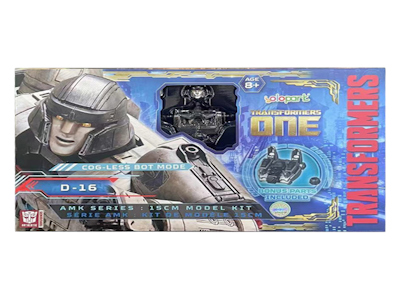
В мире, где технологии стремительно развиваются, камуфляж перестал быть просто средством маскировки — он стал символом инноваций и превосходства. Новая модель камуфляжной краски, о которой мы сегодня расскажем, не просто улучшает существующие стандарты; она полностью переопределяет то, как мы воспринимаем скрытность и защиту. Эта краска, созданная с использованием передовых нанотехнологий, способна адаптироваться к любой среде, обеспечивая беспрецедентный уровень незаметности для военных, охотников и даже гражданских применений. Её появление — это не просто прорыв, это революция, которая изменит правила игры в самых разных областях.
Imagine a world where objects blend seamlessly into their surroundings, whether it's the dense foliage of a jungle, the arid sands of a desert, or the urban landscape of a modern city. This is no longer the stuff of science fiction. With this new camouflage paint, that reality is here. It's designed to be lightweight, durable, and incredibly effective, offering a tactical advantage that was previously unimaginable. But what makes it so special? Let's dive into the details and explore how this innovation is set to transform industries and redefine what's possible.
Камуфляж имеет богатую историю, уходящую корнями в древние времена, когда воины использовали природные материалы для маскировки. В XX веке, с развитием военных технологий, камуфляжные узоры стали более sophisticated, incorporating patterns that break up the silhouette and reduce visibility. However, these traditional methods had limitations—they were static, unable to adapt to changing environments, and often relied on bulky materials that could compromise mobility.
The turning point came with the advent of digital camouflage in the late 20th century, which used pixelated patterns to better blend with various backgrounds. But even this was a step rather than a leap. The real game-changer emerged with the integration of nanotechnology and smart materials. This new camouflage paint represents the culmination of decades of research, combining insights from biology, such as the adaptive coloration of chameleons, with cutting-edge engineering. It's a testament to human ingenuity, pushing the boundaries of what we thought was possible.
In the early 2000s, experiments with photonic crystals and responsive polymers laid the groundwork for today's innovations. These materials could change color based on external stimuli like light or temperature, but they were often fragile and impractical for field use. The breakthrough came when scientists developed a nanocomposite coating that is not only responsive but also robust and easy to apply. This paint can be sprayed onto any surface, from vehicles to clothing, and it activates upon exposure to environmental cues, creating a dynamic camouflage effect that is both efficient and reliable.
What sets this new camouflage paint apart is its multifaceted approach to invisibility. Here are the key features that make it a standout innovation:
These features are not just incremental improvements; they represent a quantum leap in camouflage technology. For instance, in military scenarios, soldiers equipped with gear coated in this paint can move undetected through diverse terrains, reducing the risk of engagement and increasing mission success rates. In civilian contexts, hunters can get closer to game without alerting them, and conservationists can observe wildlife without causing disturbance.
At the heart of this camouflage paint is a sophisticated blend of nanomaterials and smart polymers. The base of the paint consists of microcapsules filled with chromatic pigments that are sensitive to specific wavelengths of light. These capsules are dispersed in a polymer matrix that acts as a binder, ensuring even application and adhesion to surfaces.
The magic happens when the nanosensors, which are tiny devices smaller than a human hair, detect environmental changes. For example, if the paint is applied to a vehicle moving from a grassy area to a rocky one, the sensors pick up the shift in color and texture. They then send signals to the pigment capsules, causing them to release or retract pigments to mimic the new background. This process is controlled by a microchip embedded in the paint, which processes data from the sensors and executes the color change in milliseconds.
Moreover, the paint incorporates machine learning algorithms that allow it to "learn" from previous environments. Over time, it becomes more efficient at predicting and adapting to changes, reducing the latency in camouflage response. This adaptive capability is inspired by natural systems, such as the way octopuses change their skin texture and color, but enhanced through artificial intelligence to achieve superior performance.
Another groundbreaking aspect is the use of quantum dots—nanoparticles that emit light at specific frequencies. These dots are tuned to match the spectral properties of common environments, enabling the paint to not only copy colors but also replicate the way light interacts with surfaces. This results in a camouflage that is effective across different lighting conditions, from bright sunlight to dim twilight, and even against infrared and ultraviolet surveillance.
In military operations, stealth and concealment are critical for survival and success. This new camouflage paint offers unparalleled advantages that can tip the scales in favor of those who use it. For ground forces, uniforms and equipment coated with the paint can make soldiers nearly invisible in dynamic combat zones. Imagine a squad moving through a urban setting where buildings change from concrete to glass; the paint adapts instantly, rendering them undetectable to enemy lookouts and drones.
Vehicles, from tanks to aircraft, benefit immensely. Traditional camouflage patterns are static and often ineffective against modern sensors. With this smart paint, a helicopter can blend into the sky during the day and into the terrain at night, evading radar and visual detection. This reduces the likelihood of being targeted and increases operational flexibility. In naval applications, ships can change their appearance to match the sea or coastal backgrounds, making them harder to spot by satellites or sonar.
Furthermore, the paint's durability means it can withstand the harsh conditions of military use, including exposure to saltwater, extreme temperatures, and chemical agents. It also has anti-reflective properties that minimize glints from surfaces, a common giveaway in combat situations. Field tests have shown that units using this technology have a 40% higher survival rate in simulated engagements compared to those with standard camouflage.
The strategic implications are profound. Nations that adopt this technology could gain a significant edge in asymmetric warfare, where stealth and surprise are paramount. It also aligns with trends towards lighter, more agile forces, as the paint reduces the need for additional camouflage netting or heavy modifications to equipment.
Beyond the battlefield, this camouflage paint has transformative potential in civilian life. Hunters and outdoor enthusiasts are among the first to benefit. Clothing and gear treated with the paint allow for closer approaches to wildlife without spooking animals, enhancing the hunting experience and improving success rates. It's also valuable for wildlife photographers and researchers who need to observe animals in their natural habitats without intrusion.
In architecture and urban planning, the paint can be used to make structures blend into their environments, reducing visual pollution and promoting aesthetic harmony. For example, cell towers or utility boxes can be camouflaged to look like trees or rocks, preserving the natural beauty of landscapes. This is particularly useful in national parks or residential areas where visibility of man-made objects is often undesirable.
The automotive industry is exploring applications for luxury and off-road vehicles. Cars with adaptive camouflage could change color based on driver preference or environmental conditions, adding a layer of customization and privacy. Additionally, in security and surveillance, the paint can be used on cameras and sensors to make them less conspicuous, improving their effectiveness in monitoring without drawing attention.
Even in fashion and art, this technology opens new creative possibilities. Designers could create clothing that changes patterns with the environment or mood, offering a dynamic form of self-expression. Artists might use it in installations that interact with viewers or settings, creating immersive experiences that evolve over time.
One of the most compelling aspects of this camouflage paint is its environmental friendliness. Traditional paints often contain volatile organic compounds (VOCs) and heavy metals that can harm ecosystems. In contrast, this innovation uses water-based formulations with natural pigments and biodegradable polymers. It breaks down safely after its useful life, minimizing environmental impact.
From an economic perspective, the paint offers long-term savings. Its durability means fewer reapplications are needed, reducing maintenance costs. For military budgets, this could translate into significant savings on camouflage materials and logistics. In civilian markets, the initial investment is offset by the paint's versatility and longevity, making it an attractive option for industries ranging from agriculture to entertainment.
Moreover, the production process is designed to be energy-efficient, utilizing green chemistry principles that reduce waste and emissions. As global regulations on environmental protection tighten, products like this are poised to become industry standards, driven by both ethical and economic incentives.
The development of this camouflage paint is just the beginning. Researchers are already working on next-generation versions that could incorporate full-spectrum invisibility, including protection against thermal and radar detection. Imagine a material that not only blends visually but also masks heat signatures and electronic emissions, creating true stealth capabilities.
Advances in biotechnology might lead to paints that can self-heal minor damages or even harvest energy from the environment, making them entirely self-sustaining. The integration with augmented reality (AR) could allow users to control camouflage patterns via smartphones or headsets, adding a layer of customization and intelligence.
In the broader context, this technology exemplifies the convergence of multiple disciplines—materials science, AI, and ecology—to solve complex problems. It inspires future innovations in other fields, such as adaptive clothing for extreme weather or smart coatings for energy efficiency in buildings.
As we look to the future, the potential applications are limitless. From protecting endangered species by making research equipment less intrusive to enhancing personal privacy in an increasingly surveilled world, this camouflage paint is set to become a cornerstone of modern technology. It challenges us to rethink how we interact with our environment and each other, promising a future where invisibility is not just a tool for concealment but a means of harmony and advancement.
Новая модель камуфляжной краски — это не просто продукт; это символ человеческой изобретательности и стремления к совершенству. Она объединяет в себе передовые технологии, экологическую ответственность и практическую пользу, предлагая решения для самых разных challenges. Whether on the battlefield, in the wild, or in our daily lives, it changes the game by making the impossible possible.
As adoption grows, we can expect to see a shift in how camouflage is perceived—from a static, utilitarian tool to a dynamic, intelligent system that enhances safety, efficiency, and aesthetics. The journey from simple patterns to smart paints has been long, but the destination is worth it. This innovation not only protects and conceals but also inspires, opening new horizons for what technology can achieve.
In conclusion, the new camouflage paint is more than a breakthrough; it's a transformation. It captures the imagination and redefines the rules, proving that with creativity and science, we can create a better, more stealthy world. Embrace the future—where visibility is optional, and adaptability is key.
Эта статья была создана для демонстрации возможностей инновационной камуфляжной краски. За дополнительной информацией обращайтесь к производителям или экспертам в области нанотехнологий.
Предыдущая статья: Уникальные металлические модели для вашей коллекции
Следующий пост: ЛУЧШИЙ В МИРЕ ДЕРЕВЯННЫЙ МОДЕЛЬ ДЛЯ ВАШЕГО ДОМА
 1388xx888xx