

Горячая линия:
1388xx888xx


Адрес:Room 615, 6th Floor, Building 1, 128 Gaotang Road, Suxi Town, Jinhua, Zhejiang, China
Телефон:1388xx888xx
Мобильные телефоны:1388xx888xx
Контактные лица:Shawn
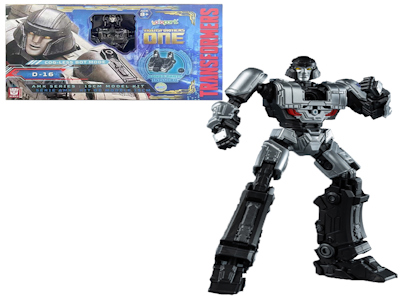
В эпоху быстрых технологических изменений и глобальной нестабильности военные модели претерпевают глубокую трансформацию, что кардинально влияет на стратегии безопасности по всему миру. Традиционные подходы, основанные на массовых армиях и прямых конфронтациях, уступают место более изощренным, интегрированным и адаптивным системам. Эта эволюция обусловлена рядом факторов, включая развитие искусственного интеллекта (ИИ), киберпространство как новое поле боя, рост гибридных угроз и необходимость международного сотрудничества. В данной статье мы подробно рассмотрим, как эти современные военные модели переопределяют понятие безопасности, анализируя ключевые тенденции, вызовы и будущие перспективы. Мы начнем с обзора исторического контекста, затем перейдем к основным компонентам новых моделей, их воздействию на национальную и глобальную безопасность, и завершим рекомендациями для policymakers.
Исторически военная стратегия была сосредоточена на физическом превосходстве: крупные армии, танки, самолеты и ядерное оружие доминировали в планировании безопасности. Холодная война, например, характеризовалась биполярным противостоянием, где сдерживание через ядерный арсенал было ключевым элементом. Однако с окончанием холодной войны и началом цифровой эры парадигма начала shift. Появление сетевых технологий, глобализация и рост ассиметричных угроз, таких как терроризм, потребовали новых подходов. События like 9/11 продемонстрировали, что non-state actors могут представлять серьезную угрозу, вынуждая военных стратегов думать beyond conventional boundaries. Это привело к развитию концепций, like "сетецентрическая warfare", где информация и connectivity становятся центральными. В 2010-х годах, с бумом big data и ИИ, военные модели further evolved, incorporating predictive analytics and autonomous systems. Today, мы видим blend of old and new: традиционные силы still matter, но они augmented цифровыми capabilities, creating a hybrid environment that demands rethinking security strategies entirely.
ИИ революционизирует военное дело, предлагая возможности для анализа данных, принятия решений и автоматизации операций. Autonomous drones, например, используются для разведки и targeted strikes, reducing human risk and increasing precision. Machine learning algorithms can predict enemy movements or identify patterns in vast datasets, enabling proactive rather than reactive strategies. Однако это raises ethical dilemmas, такие как accountability for autonomous weapons и potential for AI-driven escalation. Страны like США, Китай и Россия активно invest в military AI, striving for competitive advantage. Integration of AI into command and control systems позволяет for faster, more coordinated responses, но также creates vulnerabilities, как кибератаки на AI infrastructure. Таким образом, ИИ не просто tool, но fundamental shift в how wars are fought and security is maintained.
Кибербезопасность стала критическим компонентом modern military models. Кибератаки can disable critical infrastructure, steal intelligence, or influence public opinion, making them potent weapons in hybrid warfare. Incidents like the Stuxnet virus against Iran или Russian interference in elections highlight this trend. Военные now include cyber commands focused on both defense and offense, with capabilities for cyber espionage, disruption, and deterrence. Киберпространство blur the lines between war and peace, as attacks can occur without declaration and involve non-military actors. This necessitates new doctrines and international norms, но progress is slow due to differing national interests. Effective cybersecurity strategies require collaboration between government, private sector, and allies, emphasizing resilience and rapid response.
Гибридные угрозы combine conventional, irregular, and cyber tactics to achieve strategic goals without triggering full-scale war. Examples include Russian actions in Ukraine, where military force, propaganda, and cyber operations were used in tandem. Информационная warfare, через social media и fake news, aims to manipulate perceptions and undermine democracies. Это требует от военных моделей integrated approaches that address not just physical threats, но psychological and political dimensions. Security strategies must now include counter-disinformation campaigns, psychological operations, and partnerships with civil society. Гибридность makes attribution difficult, complicating deterrence и response. Thus, modern militaries are developing units specialized in countering these multifaceted challenges, emphasizing agility and adaptability.
Космос становится increasingly contested domain, with satellites essential for communication, navigation, and surveillance. Countries are developing anti-satellite weapons, raising stakes for space security. Кроме того, emerging technologies like hypersonic missiles, quantum computing, and biotechnology offer new capabilities but also new risks. Hypersonic weapons, for instance, can evade current defense systems, potentially destabilizing nuclear deterrence. Военные модели must incorporate space and tech innovation into planning, investing in R&D and international cooperation to mitigate risks. This expansion into new domains reflects a broader trend: security is no longer confined to land, sea, and air, but extends to cyber, space, and even cognitive realms.
Современные военные модели fundamentally alter how nations perceive and pursue security. На национальном уровне, они enable more efficient defense spending through technology, but also increase dependence on complex systems that can fail or be hacked. This necessitates robust cybersecurity measures and redundancy plans. Глобально, эти модели foster both cooperation and competition. Например, NATO has adapted its strategies to include cyber defense and hybrid threat response, promoting alliance cohesion. Однако, они также lead to arms races in AI and cyber capabilities, potentially increasing tensions between major powers like the US and China. Ядерное сдерживание, once straightforward, now complicated by cyber threats to command systems and hypersonic weapons. Moreover, the proliferation of advanced technologies to non-state actors or rogue states poses significant risks, requiring enhanced non-proliferation efforts. Ultimately, these changes demand a reevaluation of international law and norms to address new realities of conflict.
Looking ahead, военные модели will continue to evolve with advancements in AI, quantum tech, and biotechnology. Predictive warfare, where conflicts are anticipated and prevented through data analysis, may become feasible. Однако, ethical concerns will grow, necessitating frameworks for responsible AI use in military contexts. Recommendations for policymakers include: investing in R&D for cutting-edge technologies while ensuring ethical oversight; strengthening international cooperation through treaties and dialogues on cyber and space norms; enhancing resilience of critical infrastructure against hybrid threats; and promoting education and training for military personnel on new technologies. Additionally, civil-military integration should be encouraged to leverage private sector innovation. By embracing these approaches, nations can navigate the complexities of modern security landscapes and foster a more stable world.
В заключение, современные военные модели представляют собой paradigm shift в стратегии безопасности, driven технологиями и changing threat landscapes. Они offer opportunities for enhanced defense and deterrence, но также introduce new vulnerabilities and ethical challenges. Успешная адаптация requires holistic approaches that integrate traditional military strengths with innovative capabilities, while fostering international collaboration to manage risks. As we move forward, continuous adaptation and proactive planning will be essential to ensure security in an increasingly interconnected and unpredictable world. Эта трансформация не только reshaping militaries, но redefining what it means to be secure in the 21st century.
Предыдущая статья: Робот воин модель революция в военных технологиях
Следующий пост: Масштабная модель 1200 Секреты коллекционирования и демонстрации
 1388xx888xx