

Горячая линия:
1388xx888xx

Адрес:Room 615, 6th Floor, Building 1, 128 Gaotang Road, Suxi Town, Jinhua, Zhejiang, China
Телефон:1388xx888xx
Мобильные телефоны:1388xx888xx
Контактные лица:Shawn
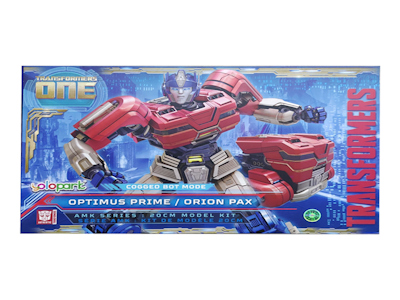
В современном динамичном мире бизнеса, где конкуренция обостряется с каждым днем, а технологии стремительно меняют ландшафт рынков, компании постоянно ищут способы не только выживать, но и процветать. Одним из таких мощных инструментов, который стал незаменимым ключом к успеху, является макетная модель. Это не просто технический термин из области дизайна или инженерии; это стратегический подход, позволяющий бизнесам тестировать идеи, минимизировать риски и адаптироваться к изменениям с беспрецедентной скоростью. В этой статье мы глубоко исследуем, почему макетная модель стала столь важной для предпринимателей, менеджеров и инноваторов, и как ее применение может кардинально изменить траекторию развития любой организации.
Макетная модель, или прототип, — это упрощенная версия продукта, услуги или бизнес-процесса, созданная для тестирования концепций, выявления проблем и сбора обратной связи до полномасштабной реализации. В бизнес-контексте это может быть что угодно: от цифрового интерфейса приложения до физического образца товара или даже симуляции бизнес-модели. Исторически прототипирование использовалось в инженерии и дизайне, но сегодня его принципы проникли во все сферы предпринимательства, став основой для agile-методологий, бережливого производства и инновационных стратегий.
Почему макетная модель незаменима? Ответ прост: она снижает неопределенность. В мире, где до 90% стартапов терпят неудачу из-за отсутствия рыночного спроса или неправильного позиционирования, возможность быстро и дешево проверить гипотезы спасает компании от катастрофических ошибок. Например, такие гиганты, как Apple или Tesla, активно используют прототипы для оттачивания продуктов перед выпуском, что позволяет им сохранять лидерство на рынке. Но это не только для крупных корпораций; малые и средние предприятия также могут извлечь выгоду, адаптируя макетные модели к своим масштабам.
В этой статье мы рассмотрим ключевые аспекты макетной модели: ее типы, преимущества, практические шаги по внедрению, реальные кейсы и будущие тренды. Мы покажем, как этот подход помогает businesses быстрее достигать product-market fit, оптимизировать ресурсы и строить устойчивые конкурентные преимущества. Whether you're a startup founder or a corporate executive, understanding and leveraging mockups can be the difference between success and failure.
Макетные модели можно классифицировать по различным критериям, но в бизнес-контексте наиболее relevant are digital mockups, physical prototypes, and business model simulations. Digital mockups включают wireframes, макеты веб-сайтов или приложений, созданные с помощью инструментов like Figma or Sketch. Они идеальны для IT-компаний, позволяя тестировать user experience до написания кода. Например, Airbnb использовал прототипы для итеративного улучшения своего интерфейса, что способствовало его глобальному успеху.
Physical prototypes относятся к tangible продуктам, таким как 3D-модели или образцы, используемые в manufacturing. Companies like Dyson invest millions in prototyping to refine designs and avoid costly production errors. Business model simulations involve creating mock versions of entire business processes, such as financial models or market entry strategies, to test assumptions without real-world risks. Tools like Business Model Canvas help in this area, enabling entrepreneurs to visualize and adjust their plans based on feedback.
Каждый тип имеет свои преимущества: digital mockups дешевы и быстры, physical prototypes обеспечивают точность, а simulations охватывают стратегические аспекты. Выбор зависит от отрасли и целей бизнеса. Key is to start simple and iterate based on learnings, as advocated by lean startup methodologies.
Основное преимущество макетных моделей — risk mitigation. By testing ideas early, businesses can identify flaws and make corrections before committing significant resources. Studies show that companies using prototyping reduce development costs by up to 50% and time-to-market by 30%. For instance, in software development, catching usability issues in a mockup phase prevents expensive rework later.
Another key benefit is enhanced innovation. Mockups foster creativity by allowing teams to experiment freely without fear of failure. This aligns with the concept of 'fail fast, learn fast,' popularized by Silicon Valley. Companies like Google encourage employees to create prototypes for new ideas, leading to breakthroughs like Gmail or Google Maps. Moreover, mockups improve communication within teams and with stakeholders, ensuring everyone is aligned on vision and requirements.
Additionally, mockups increase customer centricity. By involving users in the testing phase, businesses gather valuable feedback that shapes products to meet real needs. This customer-driven approach boosts satisfaction and loyalty. For example, Amazon constantly uses A/B testing and prototypes to optimize its website, resulting in higher conversion rates.
To integrate mockups into business processes, start by defining clear objectives: what do you want to test? Then, choose the appropriate type of mockup based on your industry. For digital products, use tools like InVision or Adobe XD; for physical goods, leverage 3D printing or CNC machining. Next, create a low-fidelity prototype quickly to gather initial feedback—this could be a sketch or a simple model.
Iterate based on feedback: involve stakeholders, conduct user testing, and refine the mockup. Tools like UserTesting.com can facilitate this. Finally, scale the successful prototype into full production. It's crucial to foster a culture that embraces experimentation and learning from failures. Training teams on agile methodologies can help, as can setting up dedicated innovation labs or sandbox environments for testing.
Case in point: IBM has implemented design thinking workshops where employees create mockups to solve business challenges, leading to improved products and services. By making prototyping a routine part of development, businesses can stay agile and responsive to market changes.
Numerous companies attribute their success to effective use of mockups. Take Spotify: before launching new features, they create interactive prototypes to test with users, ensuring that updates enhance the listening experience. This approach has helped them stay ahead of competitors like Apple Music.
In the automotive industry, Tesla uses extensive prototyping for its electric vehicles. By testing battery designs and autonomous driving features in simulations and physical models, they avoid recalls and maintain safety standards. Similarly, in retail, Zara employs rapid prototyping for clothing designs, allowing them to bring new fashion to market in weeks instead of months, outpacing rivals.
Even in traditional sectors like healthcare, mockups are vital. Medtronic develops medical devices through iterative prototyping, reducing risks and improving patient outcomes. These examples demonstrate that regardless of industry, mockups are a universal tool for achieving business excellence.
As technology evolves, mockups are becoming more sophisticated. The rise of artificial intelligence and machine learning enables predictive prototyping, where algorithms simulate user behavior and predict outcomes before even creating a physical mockup. Virtual reality (VR) and augmented reality (AR) are also transforming prototyping, allowing immersive testing of products in virtual environments.
In the future, we can expect increased integration of mockups with IoT and big data, providing real-time feedback loops. Businesses that adopt these advanced techniques will gain a competitive edge by being more adaptive and innovative. However, challenges such as data privacy and the need for skilled personnel must be addressed.
Ultimately, the trend is towards democratization: tools are becoming more accessible, allowing even small businesses to leverage mockups. Platforms like Canva or Tinkercad make it easy for anyone to create prototypes, fostering a culture of innovation worldwide.
In conclusion, the mockup model is not just a tool but a mindset that empowers businesses to navigate uncertainty and drive growth. Its ability to reduce risks, accelerate innovation, and enhance customer focus makes it indispensable in today's fast-paced world. As we move into an era of digital transformation, the importance of prototyping will only increase.
Businesses that embrace mockups will be better positioned to adapt to changes, outperform competitors, and achieve long-term success. Whether you're launching a new product or refining a service, start with a mockup—it might be the key to unlocking your potential. Remember, in the words of Thomas Edison, 'I have not failed. I've just found 10,000 ways that won't work.' Mockups allow you to find those ways quickly and cheaply, paving the path to triumph.
So, take action today: integrate mockups into your strategy, experiment fearlessly, and watch your business thrive. The future belongs to those who prototype!
Предыдущая статья: Модельные каркасы: революция в строительной индустрии будущего
Следующий пост: Как защитить коллекционные модели от повреждений в коробке
 1388xx888xx