

Горячая линия:
1388xx888xx


Адрес:Room 615, 6th Floor, Building 1, 128 Gaotang Road, Suxi Town, Jinhua, Zhejiang, China
Телефон:1388xx888xx
Мобильные телефоны:1388xx888xx
Контактные лица:Shawn
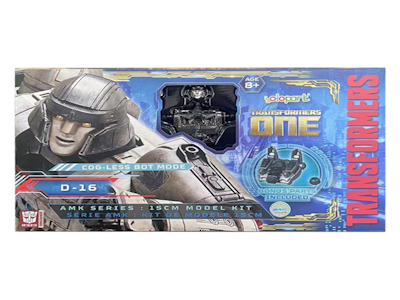
В мире, где технологии и цифровые развлечения доминируют, железнодорожное моделирование остается уникальным феноменом, сочетающим в себе техническое мастерство, художественное выражение и глубокую страсть. Для многих это не просто хобби — это форма искусства, требующая терпения, креативности и преданности. В этой статье мы погрузимся в причины, по которым создание железнодорожных моделей стоит рассматривать как искусство, а не как обычное увлечение. Мы исследуем исторические корни, творческие процессы, детализацию, культурное влияние и личные аспекты, которые делают это занятие столь значимым.
Искусство часто ассоциируется с живописью, скульптурой или музыкой, но его суть заключается в выражении человеческого творчества и эмоций. Железнодорожное моделирование, с его meticulous attention to detail and narrative depth, embodies this essence. It transforms simple materials into miniature worlds that tell stories, evoke nostalgia, and showcase technical prowess. Unlike passive hobbies, it demands active engagement, imagination, and a quest for perfection, aligning it with traditional art forms.
Железнодорожное моделирование зародилось в XIX веке параллельно с развитием реальных железных дорог. Первые модели были простыми и функциональными, но со временем они стали более sophisticated. В XX веке, с появлением массового производства, моделирование стало популярным хобби, но истинные энтузиасты подняли его на уровень искусства through handcrafted pieces and dioramas. Исторические примеры, such as the works of famous modelers like John Allen, demonstrate how this pursuit has always been about more than recreation—it's about preserving history and expressing artistic vision.
Создание железнодорожной модели начинается с вдохновения—perhaps from a real train, a historical event, or a personal memory. Художник-моделист затем планирует композицию, выбирает материалы, и meticulously crafts each component. This process involves sketching, prototyping, and endless adjustments, much like a painter refining a canvas. The use of scale, color, and texture requires an artistic eye, and the ability to tell a story through the layout transforms the model into a narrative art piece. For instance, a diorama depicting a 1950s railway station not only replicates reality but also conveys the atmosphere and emotions of that era.
В искусстве детали often make the difference between mediocrity and masterpiece. В железнодорожном моделировании, attention to detail is paramount—from the rust on a locomotive to the leaves on a tree in the scenery. This precision demands skills in painting, sculpting, and engineering, blurring the lines between craft and art. Моделисты spend hours on tiny elements, such as adding realistic weathering effects or creating custom parts, which elevates their work to an art form. This dedication mirrors that of sculptors or miniaturists who strive for perfection in their creations.
Железнодорожные модели служат культурными артефактами, сохраняя историю железных дорог и индустриального развития. Они educational tools, teaching about engineering, history, and geography through interactive displays. In museums and exhibitions, these models are presented as art installations, engaging viewers and sparking curiosity. This cultural role reinforces their status as art, as they contribute to societal knowledge and appreciation, much like traditional artworks in galleries.
Для многих моделистов, это занятие является therapeutic and emotionally fulfilling. The process of building something from scratch provides a sense of accomplishment and mindfulness, similar to the meditative aspects of art creation. The emotional connection to trains—often rooted in childhood memories or a love for travel—adds a layer of personal expression. This transformative experience aligns with how art impacts individuals, offering solace, joy, and a means of self-expression.
Art thrives in communities, and железнодорожное моделирование is no exception. Клубы, выставки, и онлайн-форумы foster collaboration and sharing of ideas. Моделисты often work together on large projects, such as club layouts, which become collective artworks. This social dimension enhances the artistic value, as it involves critique, inspiration, and the evolution of styles, mirroring the way art movements develop through interaction among artists.
С advancements in technology, such as 3D printing and digital control systems, железнодорожное моделирование has entered a new era. These tools allow for greater creativity and precision, enabling artists to realize visions that were once impossible. However, the core artistic principles remain—innovation is used to enhance expression, not replace it. This blend of tradition and modernity positions modeling as a contemporary art form that adapts and grows.
To illustrate the artistic nature, consider anecdotes from modelers. For example, a retiree who spent years building a scale model of the Trans-Siberian Railway not only showcases technical skill but also conveys a deep personal journey and cultural homage. Such stories highlight how modeling transcends hobbyism, becoming a medium for storytelling and legacy-building.
Железнодорожное моделирование shares similarities with sculpture, architecture, and even cinema (in its narrative layouts). It involves composition, perspective, and emotional impact. Unlike static art, it often incorporates movement and sound, adding dynamic elements that engage multiple senses. This multisensory approach reinforces its classification as a comprehensive art form.
В заключение, железнодорожное моделирование is undeniably an art form. It requires creativity, skill, and emotional investment, producing works that educate, inspire, and delight. By recognizing it as art, we validate the efforts of countless modelers and encourage a deeper appreciation for this unique pursuit. Whether through a meticulously crafted locomotive or an expansive diorama, these models are miniature masterpieces that celebrate human ingenuity and artistic spirit.
As we reflect on this topic, it becomes clear that the line between hobby and art is thin—it is defined by intention and execution. In железнодорожное моделирование, that intention is often to create beauty and meaning, solidifying its place in the world of art.
Предыдущая статья: Трансформирующая модель изменит все навсегда
Следующий пост: Качественные модели в витрине как искусство демонстрации
 1388xx888xx